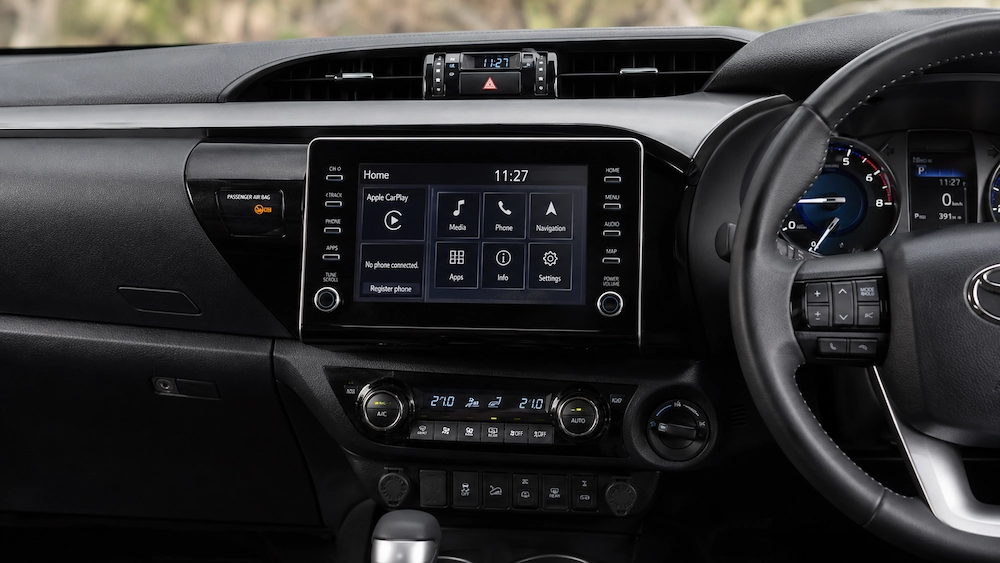
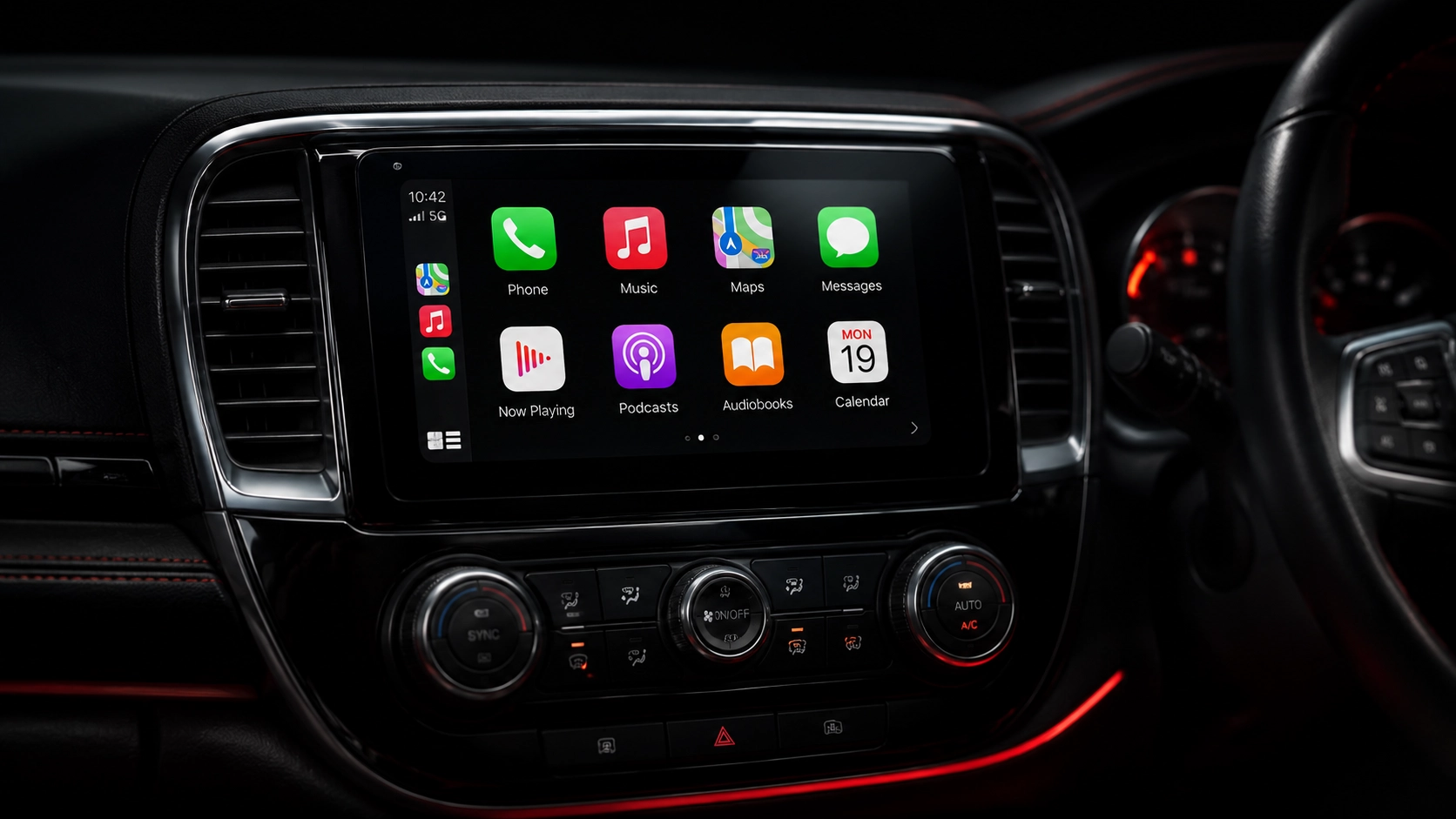
TL;DR: Modern car audio upgrades depend on more than quality speakers or a powerful amplifier. Safe, reliable performance requires correct wiring, stable power, compatible interfaces, proper factory integration, and careful testing across the vehicle’s connected electronic systems.
Key Takeaways
- A component can fit physically while remaining incompatible with the vehicle’s factory electronics.
- Correct power cables, grounding, fuse placement, and voltage management protect both the audio equipment and the vehicle.
- Vehicle-specific interfaces help retain steering wheel controls, cameras, sensors, warning sounds, and other original features.
- Complete testing should cover sound performance, start-up behaviour, battery draw, dashboard warnings, and everyday driving conditions.
A new head unit, speakers, or amplifier can improve sound, but results depend on more than the equipment. Modern cars are built around connected electronic systems, so every upgrade must work safely with the technology already inside the vehicle.
That is why vehicle electronics in car audio installation need careful attention, as power, factory amps, data systems, controls, cameras, and battery management all affect performance. Addressing these early helps ensure clean sound, retained features, and reliability.
Cars Are Networks, Not Just Wires
Older car stereos were standalone audio units that were easy to replace. Modern infotainment systems are integrated with the car’s electronics, connecting to controls, displays, sensors, cameras, amplifiers, and safety alerts.
Because components are interconnected, changing one can affect others and disrupt key functions. As a result, upgrades now require careful consideration to maintain compatibility and ensure all connected features continue to operate smoothly.
CAN Bus Changes Everything
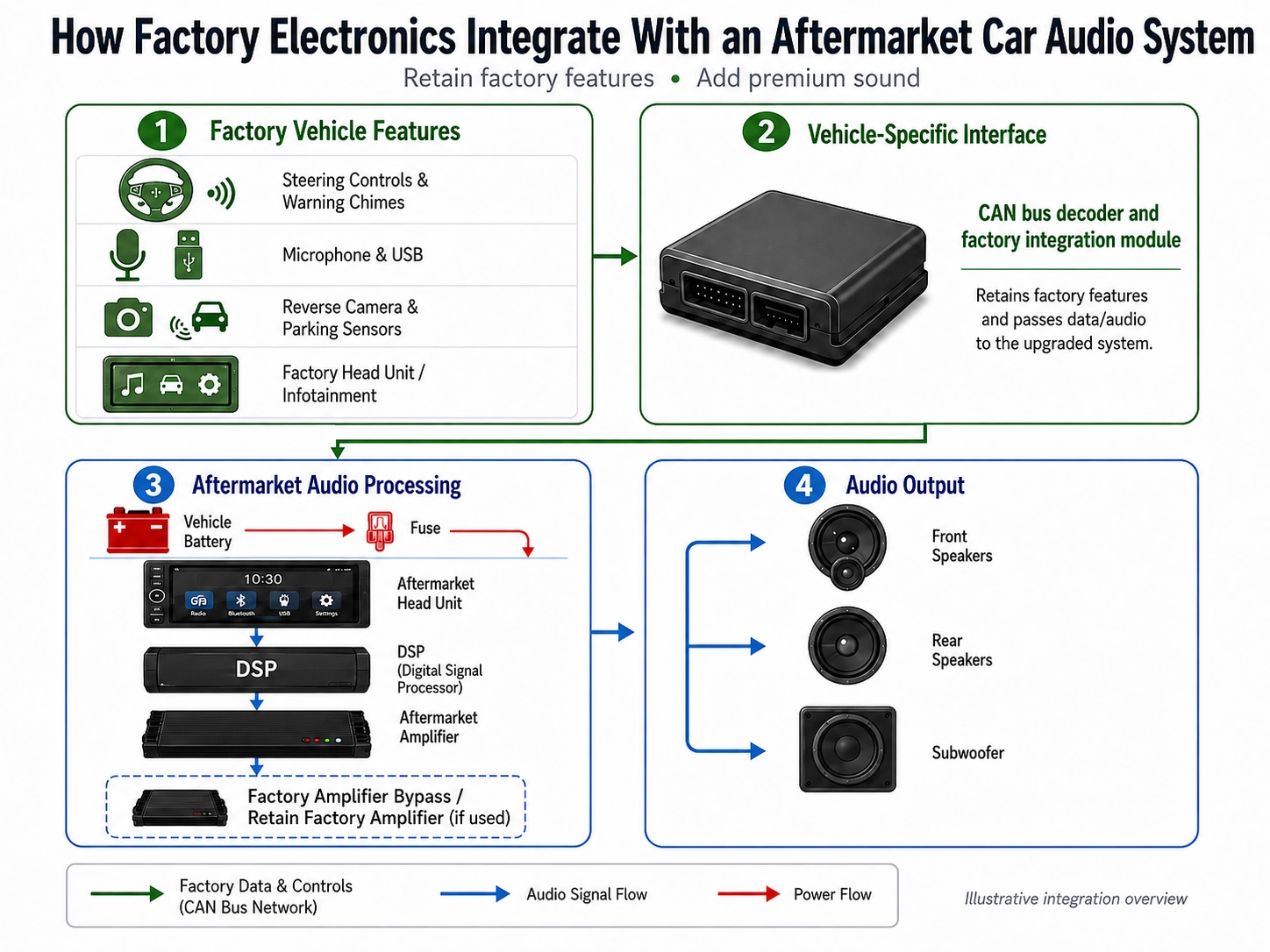
Many vehicles use a CAN bus to share data between modules, letting the stereo receive key signals over one network. Removing it without the correct interface can cause lost controls, missing data, or warning messages, so proper integration is essential.
Hidden Factory Complexity
A vehicle that seems to have a basic stereo may actually include a hidden factory amplifier or processed signals tailored to its original speakers. Ignoring this can cause poor sound, so checking if extra interfaces or processors are needed is important.
Power First, Sound Follows
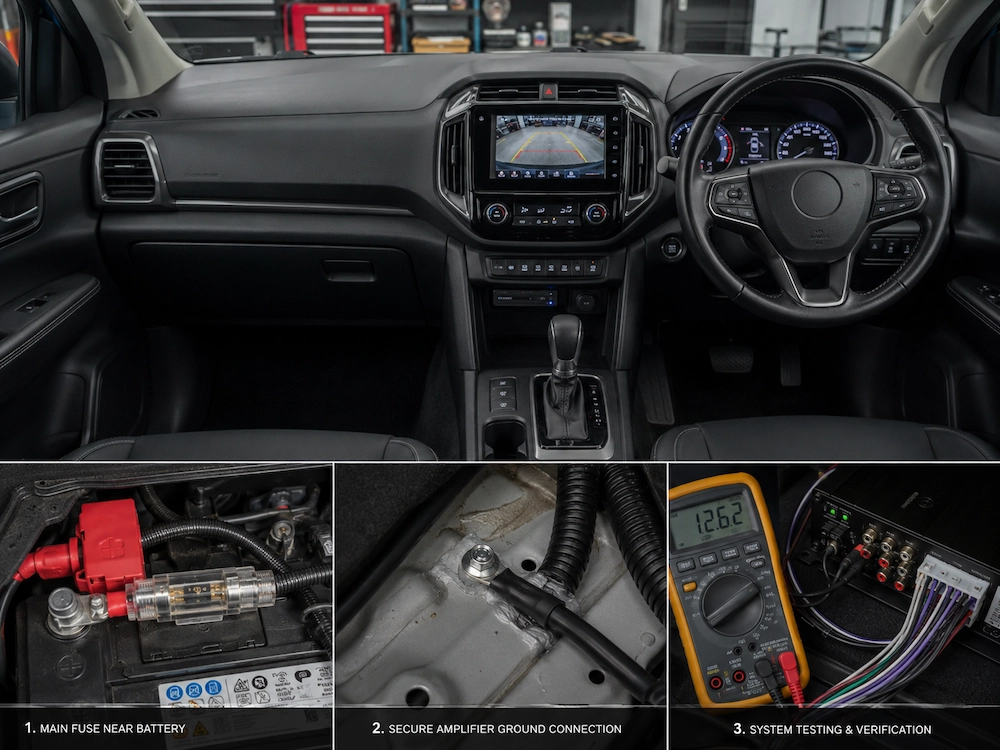
Audio equipment depends on the vehicle’s electrical system, so weak or inconsistent power can hurt performance. When voltage fluctuates or drops, components may struggle to operate efficiently, leading to distortion or reduced output.
Amplifiers and subwoofers place additional demand on the system, increasing the need for stable power delivery. Proper wiring, grounding, and protection help maintain performance and prevent damage.
Right Cable Size & Fuse Placement
Power cables must be correctly sized, as undersized wiring can cause voltage drop, poor performance, overheating, or damage. The main fuse should be placed near the battery to protect the cable, and although hidden, it is essential for safety and reliability.
Grounding Shapes Sound
A poor ground can cause noise, shutdowns, weak output, or heat, so ensure clean contact, secure fastening, and correct cable size. Cable routing also matters, as nearby noisy circuits can cause interference, so route cables carefully.
More Than Just a Fit
A head unit may fit the dashboard but still be incompatible with the vehicle’s electronics, and the same applies to speakers, amplifiers, cameras, and other accessories. Even similar components may not work due to differences in wiring or signals.
To ensure a safe and reliable installation, it’s essential to use precise vehicle details rather than relying on assumptions. Even similar-looking vehicles can differ in audio setups, so accurate compatibility checks are essential.
Keep Your Factory Features
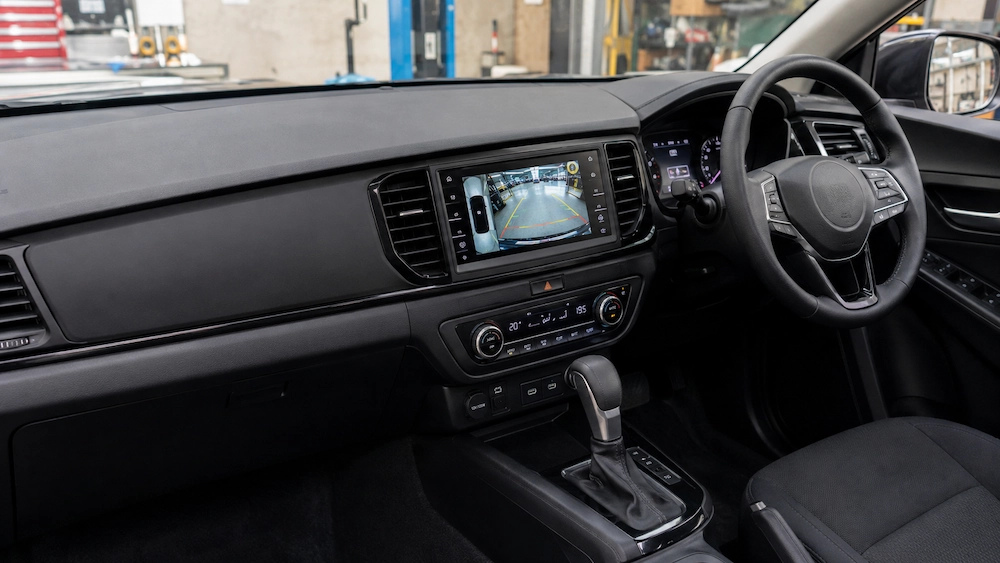
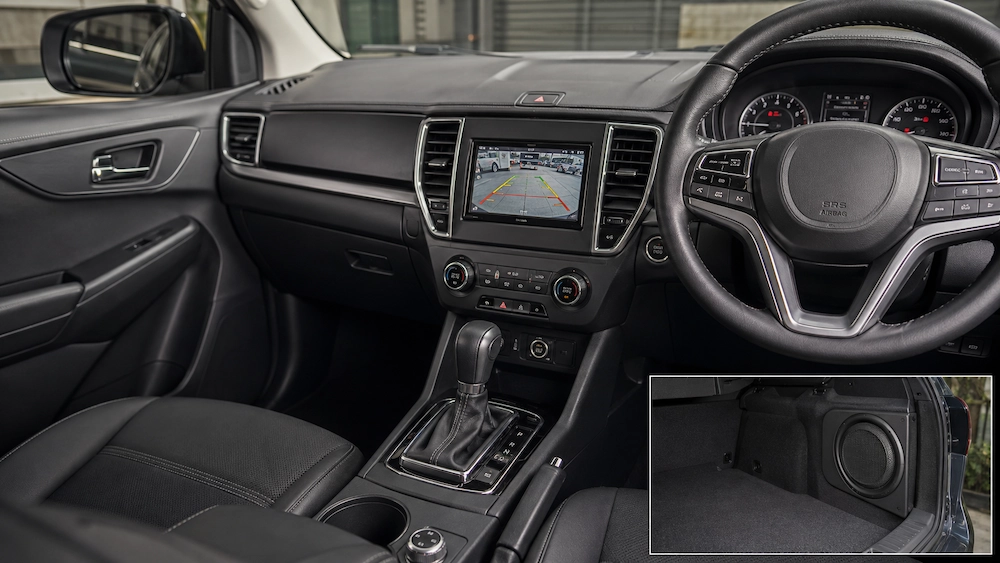
Many drivers expect features like steering controls, cameras, sensors, microphones, USB ports, and alerts to keep working after an upgrade, often requiring specific interfaces. Planning ahead and choosing the right parts helps avoid faults and delays.
Match Impedance & Signal
Factory speakers and amps may differ from aftermarket ones, so check compatibility before replacing them. Check the following to avoid reduced volume, distortion, or uneven sound:
- Speaker impedance and amp compatibility
- Factory amps or active crossovers
- Built-in signal processing or EQ
- Channel setup and wiring
- DSP needed for signal correction
Power Up, Plan Smart
A powerful amplifier can improve clarity, control, and bass response, but the vehicle must be able to handle the extra demand. The alternator powers essential systems, and the battery must remain healthy.
Upgrading wiring and grounding ensures stable voltage delivery and prevents unwanted electrical noise issues. Regular maintenance checks help identify potential problems early and keep the audio system performing reliably.
Voltage Drop Hurts Sound
Low voltage can cause an amplifier to lose power, distort, overheat, or shut down, often shown by dim lights, sound cuts, or a weak battery. Fixing it may require better wiring, a stronger battery, or a charging system check based on real demand.
Set Gains Right
Amplifier gain should match the source signal voltage, as setting it too high increases the risk of distortion and damage. Proper setup considers signal levels and balance, so even modest systems can sound better when tuned correctly.
Electrical Issues as Audio Problems
Wiring or power issues often cause system problems, not faulty components. These underlying problems can interfere with consistent power delivery, leading to erratic behaviour that may be mistaken for component failure.
Common signs include resets, audio cut-outs, engine noise, overheating, or a drained battery. Recognising these symptoms early can help pinpoint electrical issues before they escalate into more serious damage or costly repairs.
Battery Drain Can Hit Later
Modern vehicles may take time to enter sleep mode, and a poorly connected accessory can keep a module awake, causing a constant drain. The battery may seem fine daily but fail after a weekend, so testing should ensure new equipment shuts down properly.
Warning Lights Need Real Answers
Dashboard warnings can be triggered by issues such as:
- Disconnected modules
- Unsuitable CAN bus interfaces
- Damaged wiring
- Low voltage
An installation is not complete if warning lights remain. The cause must be identified, fixed, and verified before returning the vehicle.
Test It Right
A professional installation requires testing key features before reassembly to ensure everything functions as intended. This step helps identify any issues early, preventing the need for repeated disassembly later.
Technicians typically check speakers, controls, cameras, Bluetooth connectivity, and overall system performance during this process. By verifying components, technicians ensure smooth, reliable, consistent system operation without unexpected issues.
Power On, Drive On
The system should start and shut down reliably, with normal accessory power and acceptable parked current draw. A road test can reveal issues not seen when stationary, such as alternator whine, trim rattles, weak reception, microphone noise, and connection dropouts.
Questions Before You Book
Sydney drivers need audio upgrades that suit daily commuting, stop-start traffic, tight parking, and longer suburban trips without affecting reliability.
- Whether the factory amplifier has been identified
- Which original features can be retained
- How the system will be powered and integrated
- Whether vehicle-specific interfaces are required
- Where components will be mounted and cables routed
- Which functions will be tested
Sydney Mobile Audio Focuses on Electronics
Sydney Mobile Audio helps drivers upgrade sound, connectivity, reversing visibility, and in-car tech while keeping a clean, factory-style finish. They check compatibility, recommend the right gear, and plan how everything will work with your car’s existing systems.
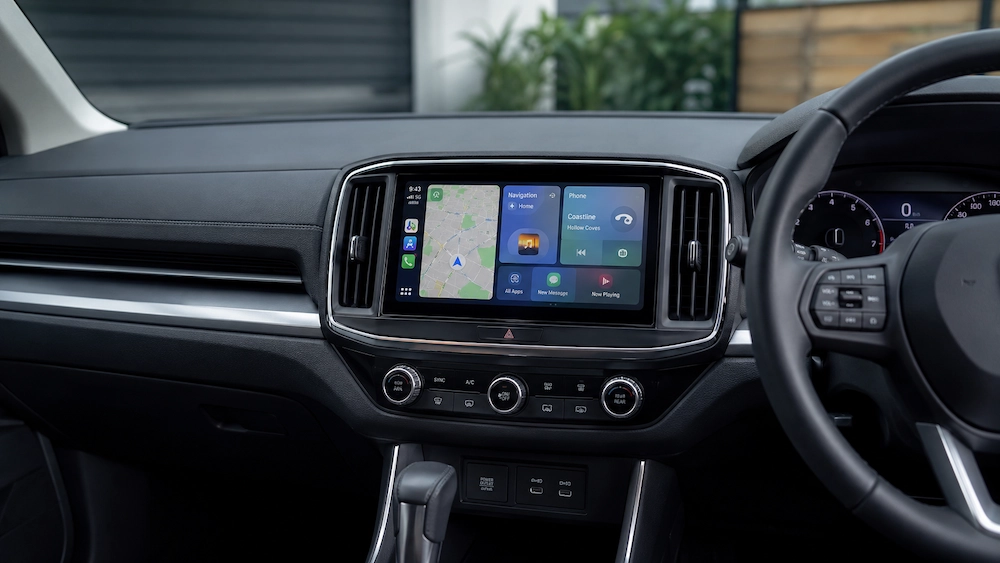
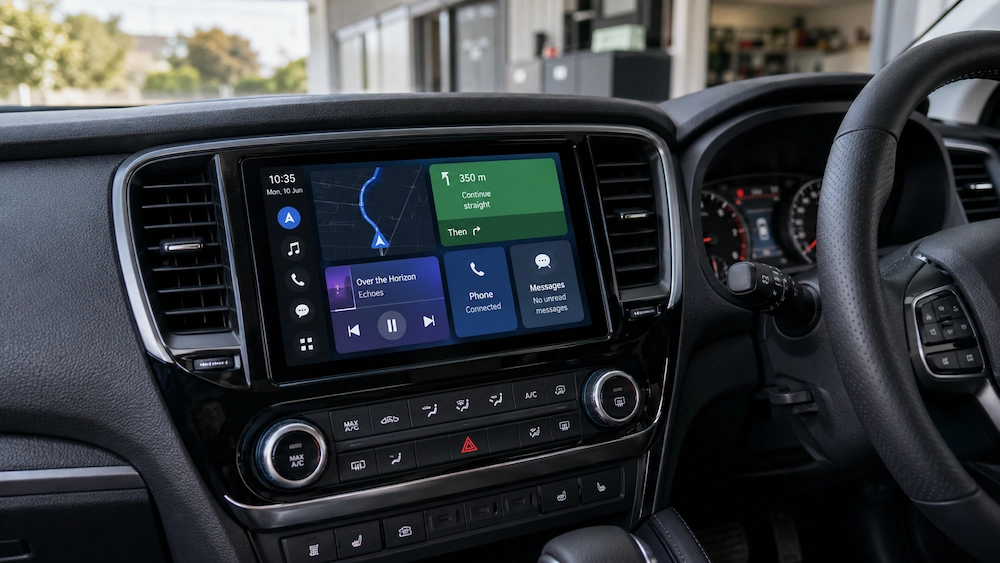
They offer car audio installs, head unit upgrades, CarPlay/Android Auto, dash cams, reverse cameras, speakers, subwoofers, amplifiers, and tuning. This vehicle-specific approach protects factory features and gives you a clear idea of what your upgrade involves before work begins.
Upgrade Your Car the Smart Way
A dependable audio upgrade should sound better, look clean, and work correctly every time the vehicle starts. Sydney Mobile Audio helps you select the ideal system and installs it carefully, ensuring reliable performance and consistent sound quality.
Contact Sydney Mobile Audio today!