TL;DR: Modern factory audio systems are often integrated with multiple vehicle functions, making aftermarket stereo upgrades more complex than simply replacing a head unit. Understanding compatibility requirements before installation helps retain important features and ensures your new system performs as expected.
Key Takeaways
- Modern factory stereos often control features beyond audio, including cameras, parking sensors, and vehicle settings.
- Factory amplifiers, signal processing, and active noise cancellation can affect upgrade compatibility.
- Retaining steering wheel controls and reverse cameras typically requires specialised interfaces.
- Professional installation helps avoid compatibility issues, poor performance, and unnecessary costs.
Upgrading a factory stereo sounds straightforward until you realise that modern audio systems do far more than play music. In many vehicles, the factory unit is connected to reverse cameras, steering wheel controls, parking sensors, warning chimes and vehicle settings, making replacement more complex than a simple screen swap.
If you’re considering Apple CarPlay, Android Auto, better sound quality or a modern touchscreen upgrade, compatibility should be your first priority. This guide explains how modern factory audio systems affect aftermarket stereo installations, what to check before upgrading, and how proper planning can help you avoid costly mistakes.
Factory Audio Has Changed
Older factory stereos were usually standalone units with basic power, speaker, and antenna connections. Many newer systems are part of the vehicle’s wider electronic network, which means removing or replacing the stereo can affect features that seem unrelated to audio.
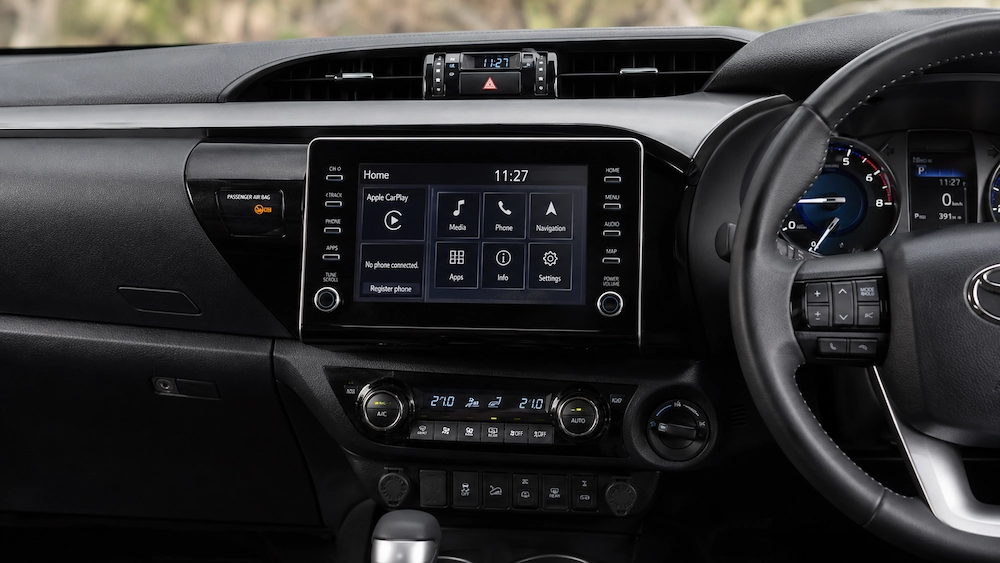
A factory screen may display reverse camera footage, parking sensor alerts, phone information, climate settings or vehicle menus. That is why a new head unit can fit physically into the dash but still fail to retain important features if the correct interfaces and installation parts are not used.
Compatibility Comes First
A good aftermarket stereo upgrade starts with the vehicle, not the stereo. Before choosing a head unit, the installer needs to know the make, model, year, trim level and what factory features are currently connected to the original system.
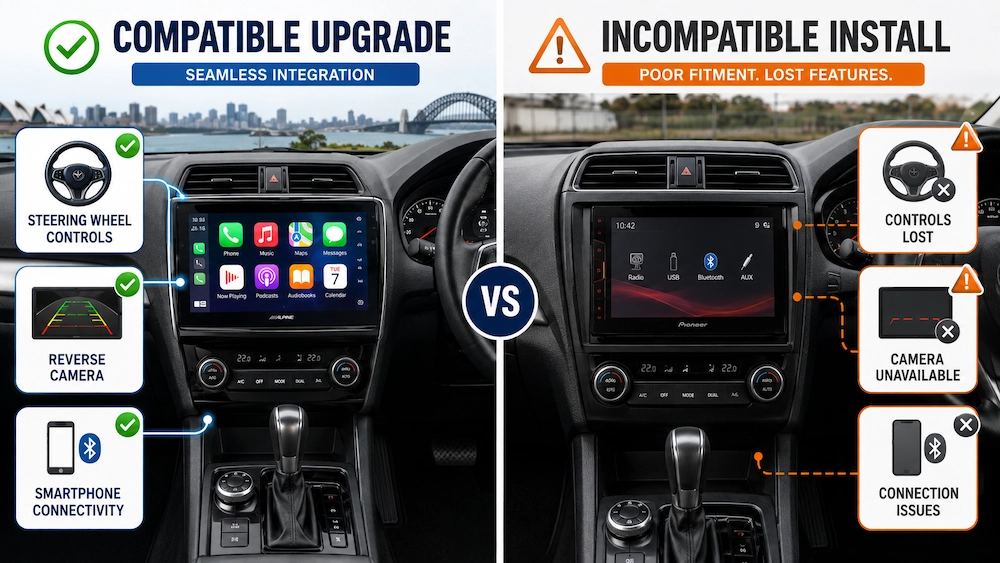
Compatible stereo upgrades retain key factory features such as steering wheel controls, reverse cameras, parking sensors and smartphone connectivity.
The Vehicle Data Network
Many modern cars link the stereo to other vehicle systems, so features like steering wheel controls, reverse signals and warning tones can be affected during an upgrade. The right interface keeps everything working properly, while the wrong one can cause lost functions, electrical issues, or unpredictable stereo behaviour.
Factory Feature Retention
The best stereo upgrade does more than add a new screen—it retains everyday features like steering wheel controls, reverse camera functionality, factory USB connectivity and parking assistance where possible. While some features only need a simple adapter, others may require vehicle-specific modules or additional wiring for proper integration.
Factory Amplifiers Matter
Factory amplifiers can make aftermarket stereo installation more complicated. Some vehicles have a basic factory audio system, while others have premium sound packages with separate amplifiers, processed signals, and speakers that are tuned specifically for that original system.
If the new stereo is connected incorrectly, the system may produce weak volume, distorted audio, missing bass, or uneven sound across the cabin. This does not mean a factory amplifier is always bad, but it does mean it needs to be identified before the upgrade begins.
Retain or Bypass
- Keep the factory amplifier when it integrates well with the new head unit and delivers the performance you need. With the right interface, this can be the most cost-effective solution.
- Bypass the factory amplifier if it limits sound quality, tuning flexibility, or compatibility. In these cases, an aftermarket amplifier often delivers better overall results.
Signal Quality
Factory systems often use processed audio signals instead of clean full-range outputs, which can affect the performance of aftermarket speakers, amplifiers, and subwoofers.
Common issues include:
- Bass reduction at higher volume levels
- Frequencies split between different speaker locations
- Heavy factory equalisation that alters the audio signal
A proper installation identifies these signal limitations first and uses the right integration method to ensure the upgrade performs as intended.
Steering Wheel Controls
Most drivers do not want to lose steering wheel control after upgrading their stereo. Volume, track selection, call buttons, and voice control are part of the everyday driving experience, so keeping them working should be part of the installation plan.
Aftermarket stereos usually need a steering wheel control interface to translate the vehicle’s signals into commands the new unit can understand. When this is set up correctly, the upgrade feels natural rather than aftermarket in the worst sense of the word.
Cameras and Sensors
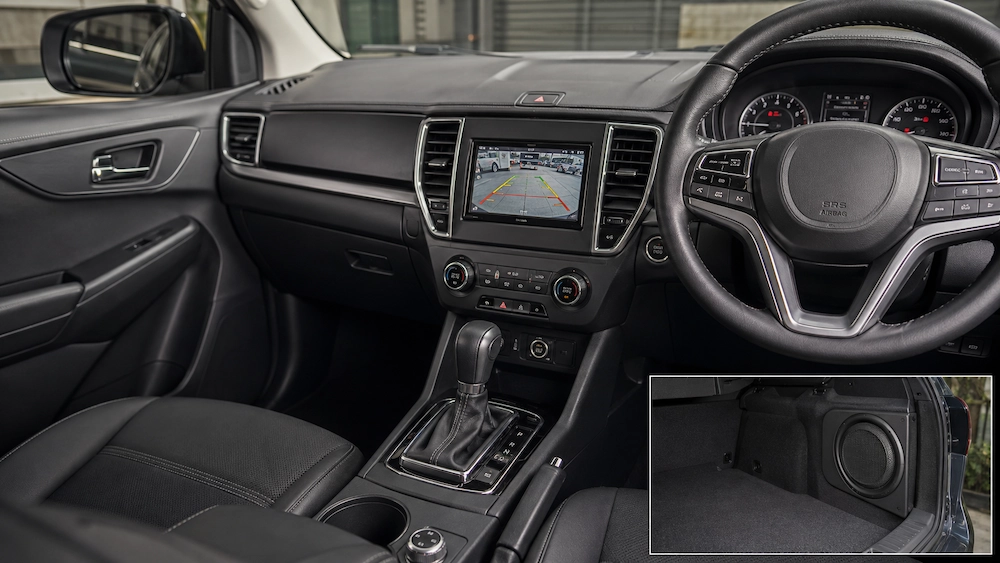
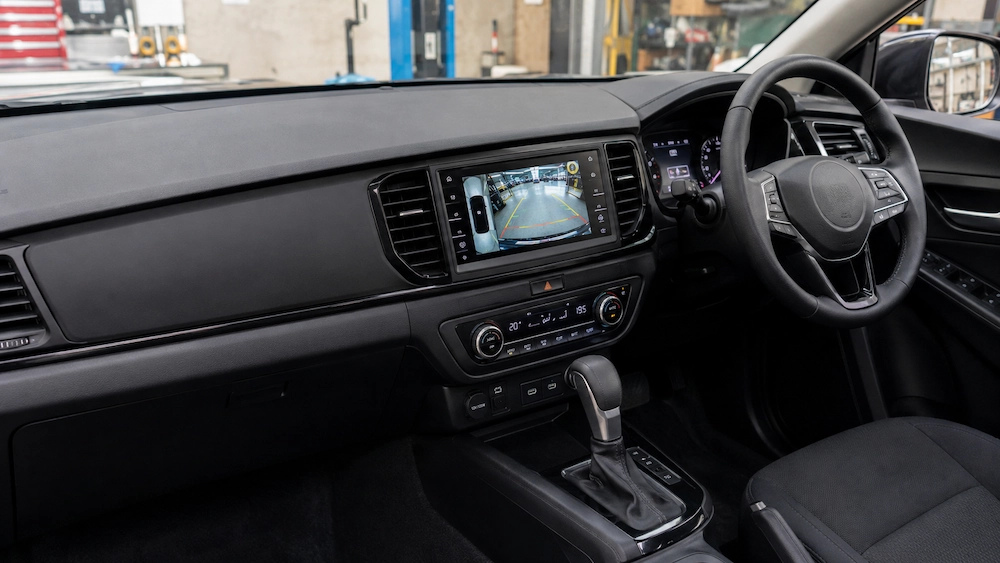
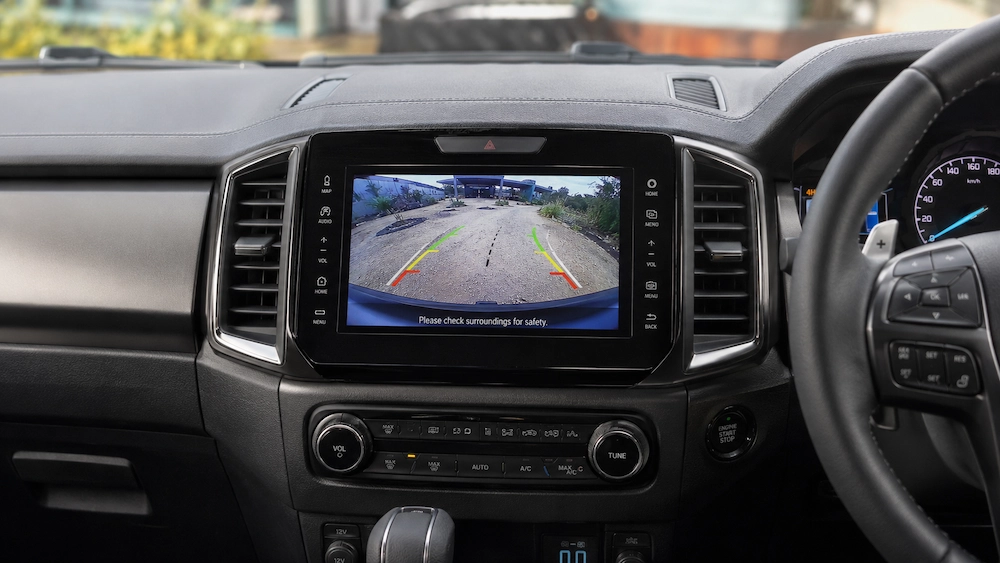
Reverse cameras are one of the most important features to consider before replacing a factory stereo, as many drivers rely on them daily and retaining them often requires the right adapters and integration solutions to accommodate different plugs, voltage requirements, trigger signals, parking sensors and visual alerts.
When planned properly from the start, an aftermarket stereo can not only preserve the factory camera system but also improve the experience by displaying it on a larger, clearer screen.
CarPlay and Android Auto
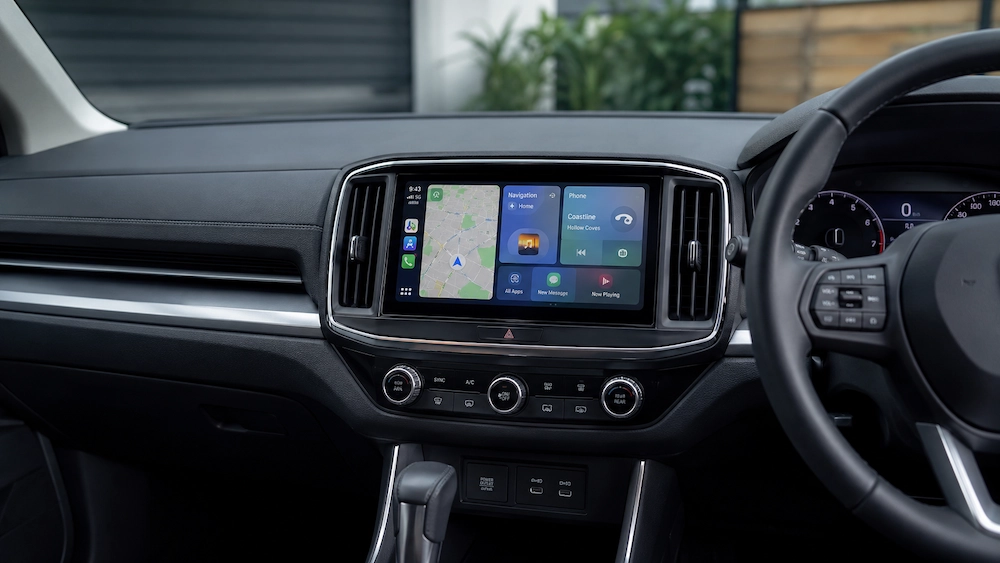
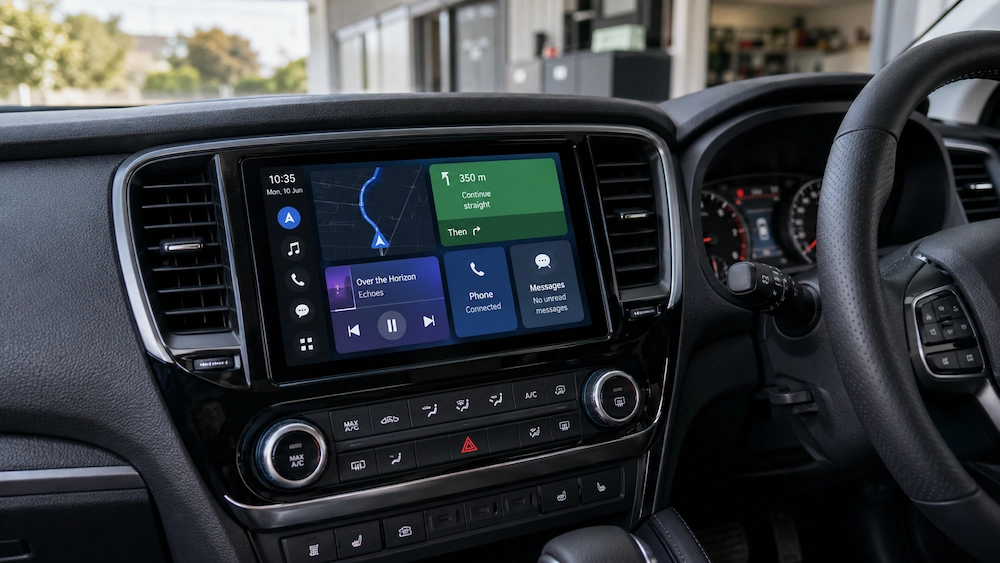
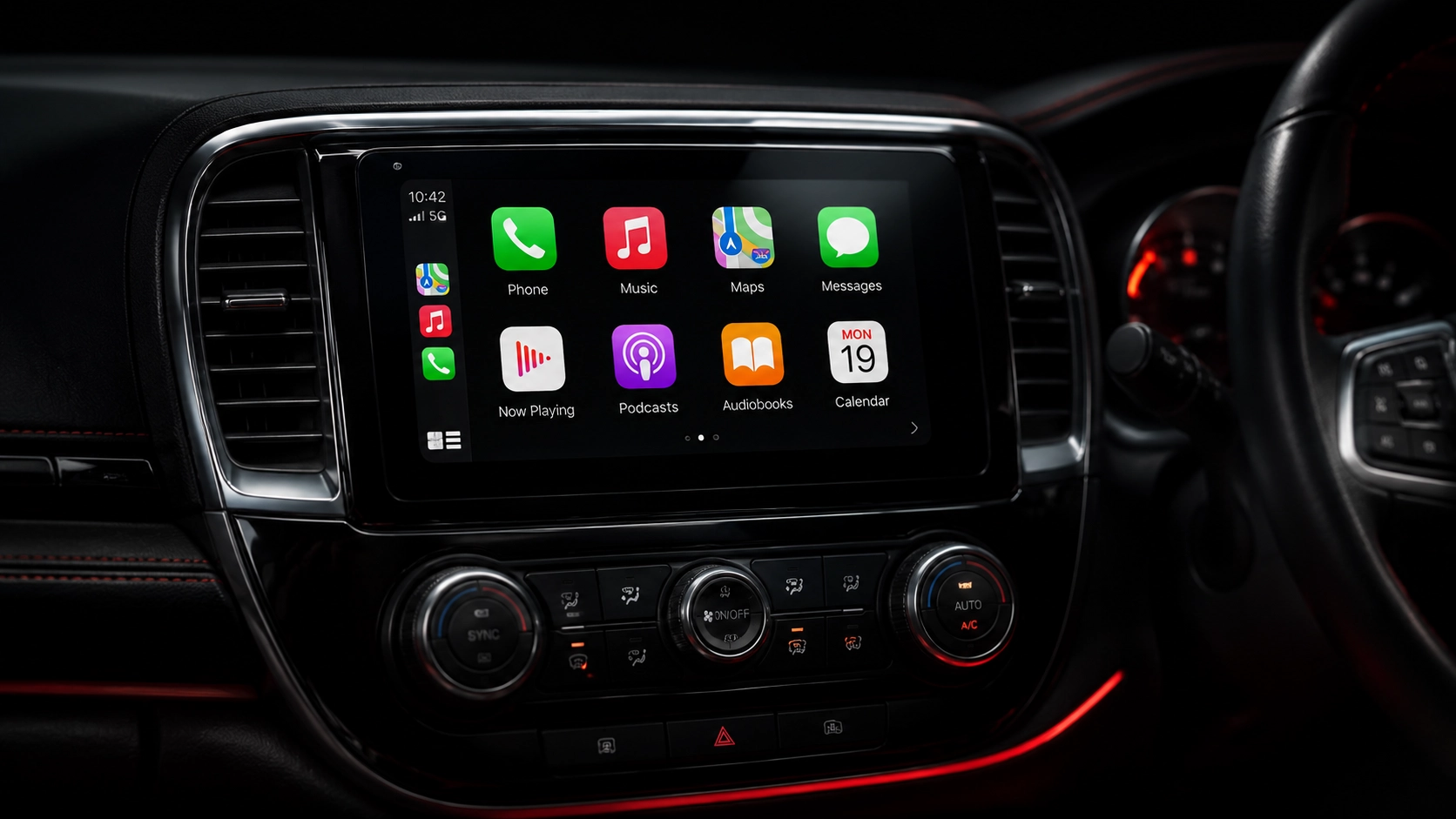
Apple CarPlay and Android Auto are major reasons people replace factory stereos. They bring maps, calls, music, messages, and voice control into a cleaner interface, which can make an older vehicle feel much more modern.
The mistake is assuming any touchscreen unit will do the job. Fitment, wiring, USB placement, microphone quality, steering wheel control retention and camera integration all affect how good the final result feels.
Wired or Wireless
Wired CarPlay and Android Auto are reliable and usually more affordable, while wireless versions offer greater convenience because your phone can stay in your pocket or sit on a wireless charger.
When comparing the two options, consider the following:
- Wired CarPlay and Android Auto typically provide a stable connection and lower upfront cost.
- Wireless CarPlay and Android Auto offer a cleaner, cable-free experience and greater day-to-day convenience.
- Wireless systems require a compatible head unit and proper setup to ensure smooth performance.
- Vehicle compatibility and budget can influence which option delivers the best value.
The best choice depends on the vehicle, budget, and how the driver uses the car.
- Drivers who prioritise reliability and affordability may prefer a wired connection.
- Drivers who want a more seamless and modern experience may find the extra cost of wireless connectivity worthwhile.
Active Noise Issues
Some modern vehicles use active noise cancellation (ANC) to make the cabin quieter by using microphones and factory speakers to counteract engine and road noise. While it works well with the original audio system, it can sometimes interfere with aftermarket upgrades.
After installing an amplifier or subwoofer, drivers may notice humming, booming or other unusual low-frequency sounds that were not there before. If the vehicle has ANC, it should be identified and managed properly during the installation process, as overlooking it can lead to frustrating audio issues that are difficult to track down later.
Dash Fitment
A stereo upgrade should look like it belongs in the vehicle, not like an afterthought. Loose trim, uneven gaps, exposed wiring or a poorly fitted screen can make even a high-quality head unit feel disappointing, which is why proper fitment matters just as much as the technology itself.
Some vehicles only need a simple fascia kit, while others require vehicle-specific solutions to retain buttons, vents or factory controls. In some cases, adding interfaces, amplifiers, speakers, cameras or smartphone integration modules can be a cleaner and more practical option than replacing the factory screen.
Speaker and Subwoofer Upgrades
Replacing the head unit improves usability, but sound quality depends on the speakers, amplifier, and system tuning. Factory speakers are often built to a budget, so upgrading speakers or adding a subwoofer can deliver noticeably better clarity and bass.
Proper installation is just as important, with secure mounting, quality wiring, and the right setup for the vehicle. Factors such as amplifier power, enclosure design and signal quality all play a role in achieving the best result.
If you’re planning a broader sound system upgrade, professional car audio installation ensures that speakers, amplifiers, subwoofers and head units work together correctly while maintaining compatibility with your vehicle’s factory systems.
Common Upgrade Mistakes
Common upgrade mistakes include:
- Buying parts before checking compatibility, which can cause fitment issues, missing features, or extra adapter requirements.
- Assuming expensive equipment automatically sounds better, despite integration and tuning being equally important.
- Underestimating installation labour, as modern systems require proper integration, testing and secure wiring to work correctly.
Why Choose Sydney Mobile Audio
Sydney Mobile Audio helps Sydney drivers upgrade their vehicles with professionally installed car audio systems, head units, Apple CarPlay, Android Auto, reverse cameras, dash cams, speakers, subwoofers and amplifiers. The team focuses on recommending solutions that suit your vehicle, goals, and budget rather than pushing unnecessary upgrades.
If compatibility is a concern, Sydney Mobile Audio can identify exactly what your vehicle needs before installation, from fascia kits and wiring harnesses to steering wheel control interfaces and camera retention adapters. The goal is to deliver an upgrade that looks factory-finished, works seamlessly with existing features, and enhances your driving experience.
Book Your Stereo Upgrade
A great stereo upgrade should make your car more enjoyable to drive, with better sound and modern features that work seamlessly with your vehicle. If you’re considering Apple CarPlay, Android Auto, new speakers, a reverse camera or a complete stereo upgrade, Sydney Mobile Audio can help you find the right solution from the start.
Contact Sydney Mobile Audio today!