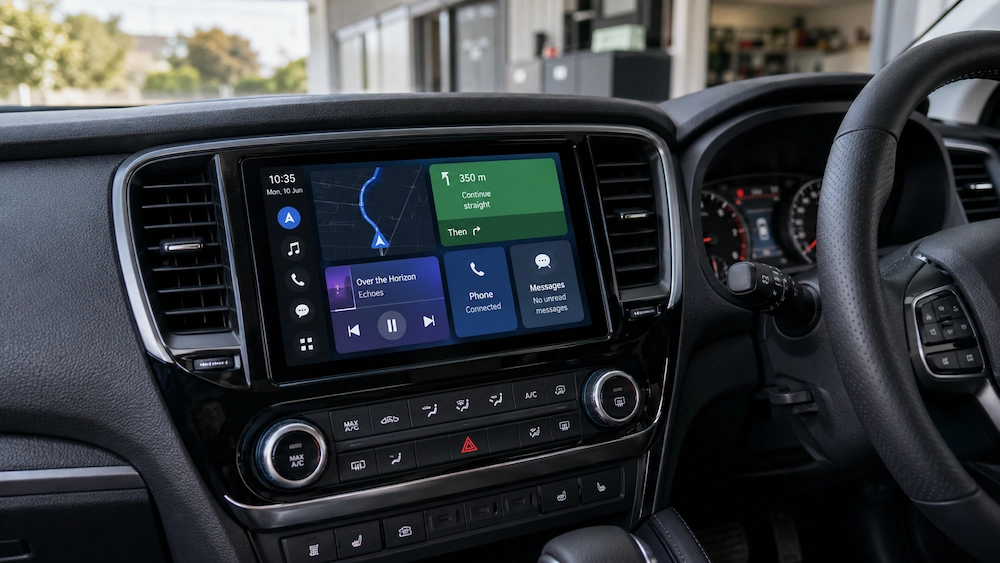
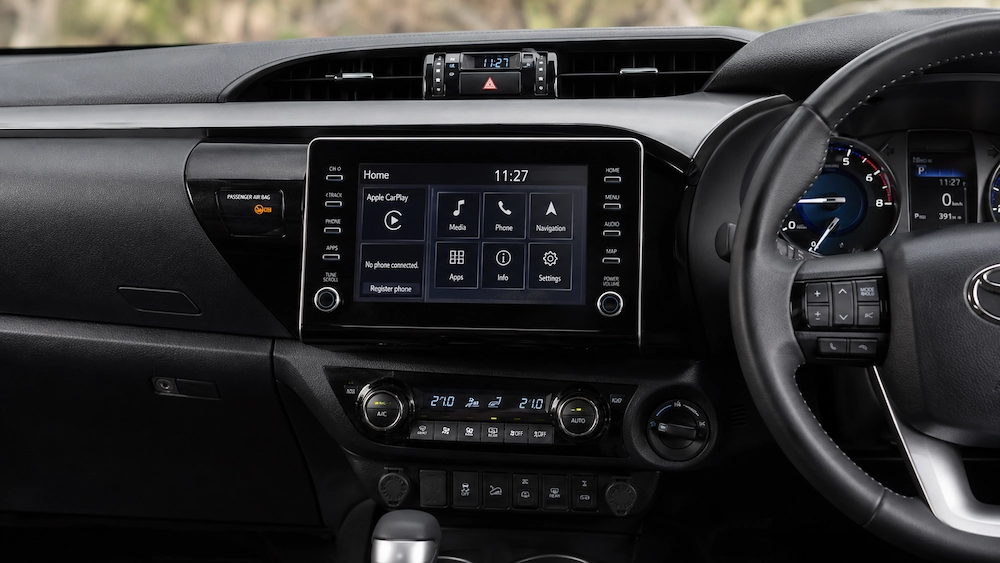
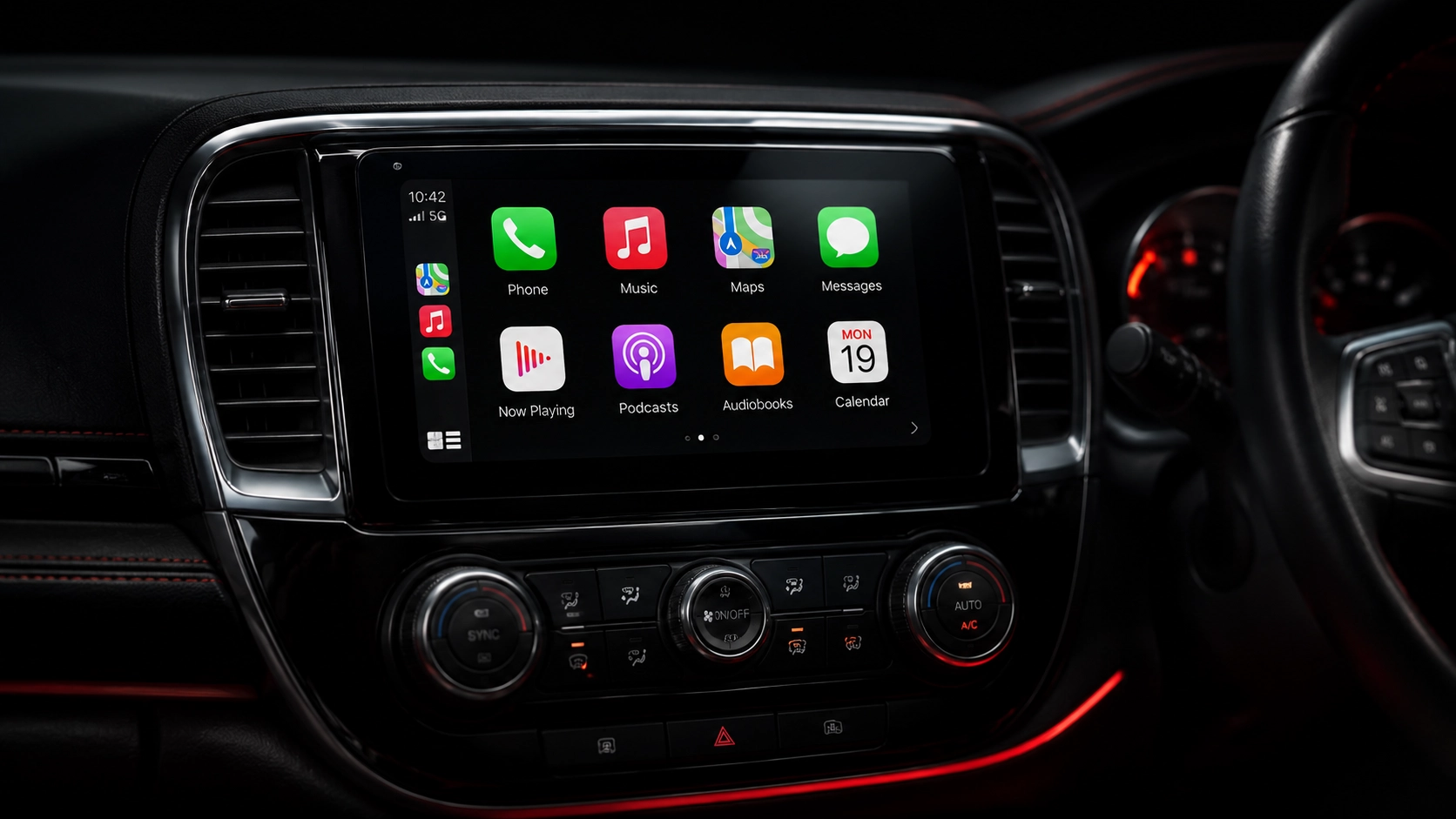
TL;DR: Many factory features, including steering wheel controls, reverse cameras, parking sensors, and USB ports, can often be retained during a stereo upgrade when the correct integration parts are used. The key is choosing compatible equipment and having the system professionally installed to ensure everything works as intended.
Key Takeaways
- Modern stereo upgrades focus on integrating new technology while retaining factory features.
- Feature retention depends on the vehicle and factory infotainment system.
- Interfaces, harnesses, and modules are often needed for compatibility.
- Consulting an experienced installer can help avoid costly compatibility issues.
Upgrading your car stereo should improve your driving experience without sacrificing the factory features you rely on. Many Sydney drivers want to know whether steering wheel controls, reverse cameras, parking sensors, USB ports, amplifiers, and other factory functions will still work after an upgrade.
In many vehicles, these features can be retained with the right parts and installation. However, compatibility varies depending on the vehicle, factory system, and aftermarket head unit, making proper planning essential before any upgrade.
Why Factory Features Matter
Modern vehicles are far more connected than they used to be. In many cars, the factory stereo is linked to:
- Steering wheel controls
- Reverse cameras
- Parking sensors
- Bluetooth systems
- Climate displays
- Warning alerts
- Vehicle settings
Replacing the factory unit without proper planning can affect much more than music playback. That is why a stereo upgrade is as much about integration as it is about sound quality and new technology.
Steering Wheel Controls
In many vehicles, you can keep your steering wheel controls when upgrading the stereo by using a compatible interface or integration module that allows the factory buttons to work with the new head unit. This means everyday functions like volume adjustment, track changes, phone calls, and voice commands can usually continue working as expected.
Not every button is guaranteed to carry over, especially those tied to vehicle-specific menus or factory systems. While basic controls are often easy to retain, compatibility for more specialised functions depends on the vehicle and the stereo being installed.
Why the Interface Matters
Steering wheel control interfaces are not one-size-fits-all, as every vehicle communicates differently and aftermarket head units can vary in how they receive control signals. While some cars use simple analogue controls, others rely on more complex CAN bus systems that need specialised integration to work properly.
Using the wrong interface can result in buttons not working correctly or not working at all. That is why compatibility should always be checked before installation begins.
Reverse Cameras
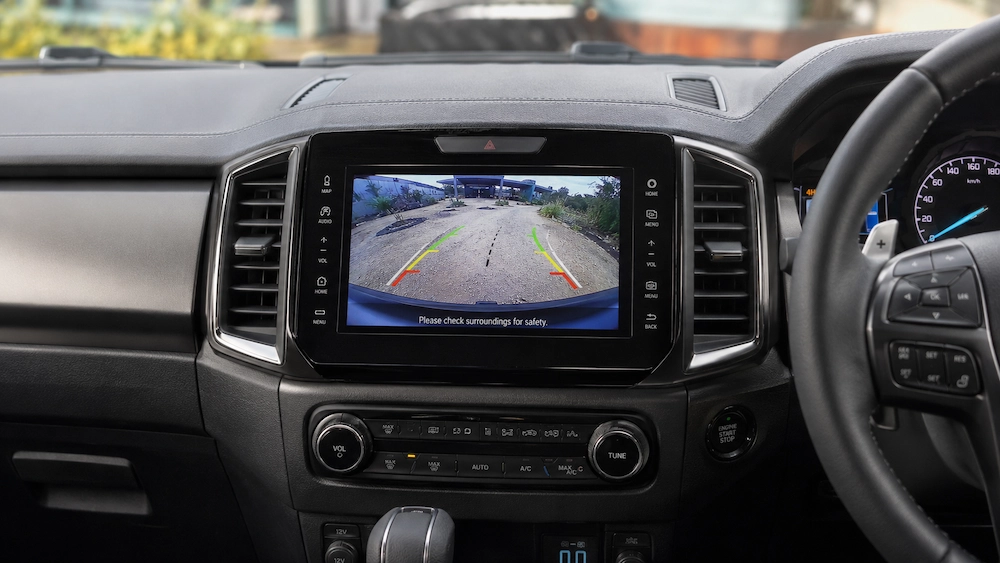
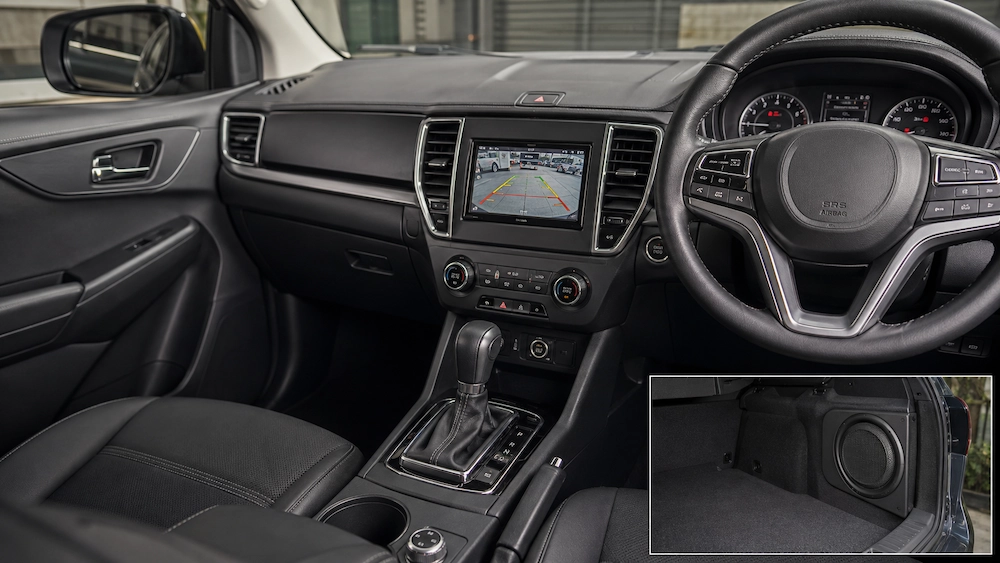
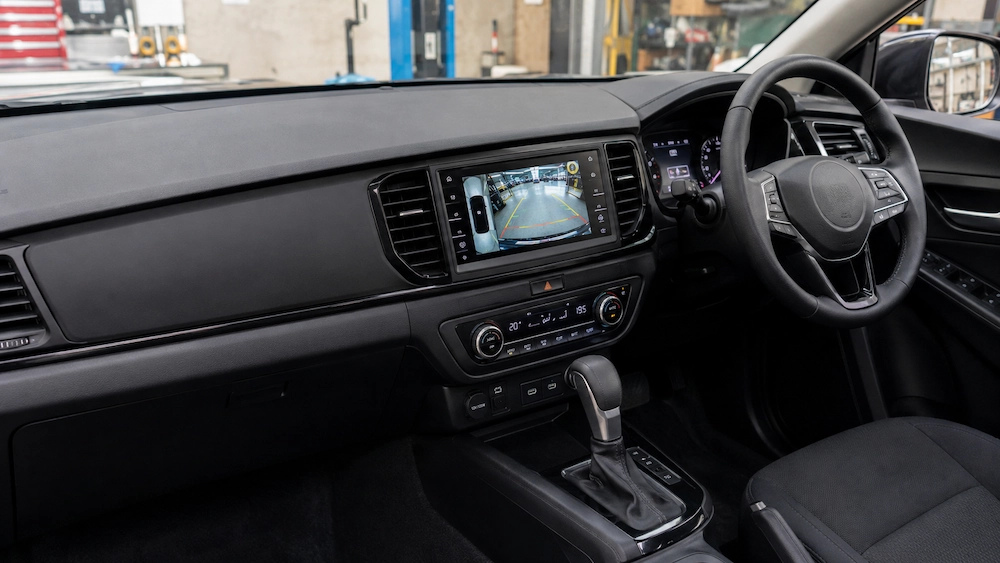
Factory reverse cameras can often be retained, but it depends on how they’re connected to the original system. Some cameras can be adapted to work with an aftermarket head unit, while others need additional interfaces to stay compatible.
In many cases, a camera retention harness is required. If the factory camera delivers a poor image or is no longer reliable, upgrading to a newer camera may be the better choice.
Retain or Replace?
Keeping the factory camera is often the simplest solution when it still provides a clear image and works reliably. A replacement camera may be worth considering if image quality is poor, visibility at night is limited, or compatibility becomes an issue.
Parking Sensors
Parking sensors can usually continue working after a stereo upgrade, but the level of integration varies. Some vehicles use a separate parking sensor module that operates independently of the stereo. In these cases, the audible alerts often continue to function without any major changes.
Other vehicles display parking sensor graphics on the factory screen. When that screen is replaced, retaining those graphics may require a dedicated integration module. Without it, you may still hear the warning tones but lose the visual display.
Sensor Displays
Some vehicles allow full retention of parking sensor graphics on the new screen, while others only retain the audible alerts depending on the vehicle and available integration parts. It is important to understand exactly what will be retained before the installation starts.
USB Ports
Factory USB ports can often be retained using a USB retention adapter. This allows the original port to connect to the new head unit while maintaining a clean factory appearance.
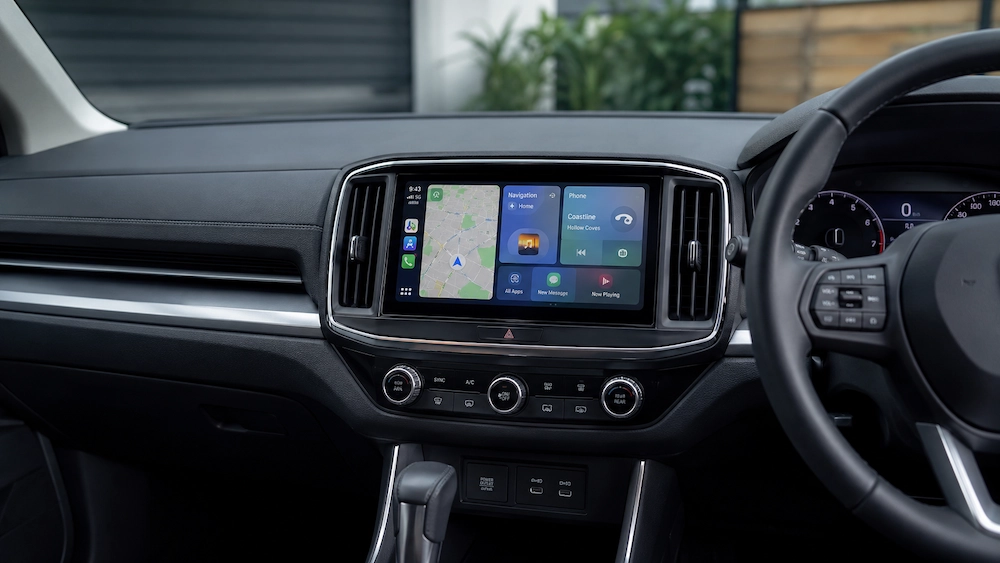
If your goal is to add smartphone connectivity, it is worth exploring a professional Apple CarPlay and Android Auto installation to ensure your new system integrates properly with your vehicle while retaining as many factory features as possible.
Factory Microphones
Factory microphones are not always compatible with aftermarket head units. For this reason, many stereo upgrades use the microphone supplied with the new head unit instead.
A professional installation should position the microphone neatly so it blends into the cabin and provides clear call quality without visible wiring.
Factory Amplifiers
Vehicles with premium factory sound systems often require additional planning. Factory amplifiers may need retention interfaces or signal converters to work correctly with a new head unit. Without the right integration, issues such as low volume, distortion, missing speakers, or no sound can occur.
In some cases, retaining the factory amplifier makes sense. In others, replacing or bypassing it may provide better sound quality and reliability.
Better Sound Takes More Than a Screen
A new touchscreen can improve convenience, but it will not automatically transform your audio system. If sound quality is the priority, you may also need upgraded speakers, amplification, sound deadening, or professional tuning.
Vehicle Settings
In some vehicles, the factory stereo is used to access important vehicle settings. These can include clock settings, lighting preferences, door lock functions, climate information, warning chimes, and trip computer data.
Replacing the stereo without the correct integration parts can affect access to these features. This is particularly common in newer vehicles and models with highly integrated infotainment systems.
Installation Parts Matter
A successful stereo upgrade involves more than just the head unit. Depending on the vehicle, you may need:
- A fascia kit for a clean dashboard fit
- A wiring harness to avoid cutting factory wiring
- A steering wheel control interface
- A reverse camera retention harness
- An antenna adapter
- Vehicle-specific integration modules
These components help ensure the finished installation looks neat and functions properly.
Common Mistakes
- Buying a head unit before checking vehicle compatibility. A stereo that looks perfect online may not support the features you want to retain.
- Assuming every factory feature can be retained exactly as it was. While many features can be kept, the outcome depends on the vehicle and available integration solutions.
- Choosing an installer based solely on price. Poor wiring and incorrect integration parts can lead to faults that are often expensive to fix later.
Before Requesting a Quote
Providing accurate information helps ensure you receive the right recommendation.
Include:
- Vehicle make and model
- Year of manufacture
- Photos of the dashboard
- Photos of steering wheel controls
- Details of any factory cameras or parking sensors
- Information about the features you want to retain
It also helps to explain your goals, whether that is wireless Apple CarPlay, better sound quality, a larger screen, a new reverse camera, or retaining parking sensor displays. The more information you provide, the easier it is to recommend the right solution.
Why Choose Sydney Mobile Audio
Sydney Mobile Audio specialises in vehicle-specific stereo upgrades that are designed to work seamlessly with your existing systems. Whether you’re looking for Apple CarPlay, Android Auto, a reverse camera, upgraded speakers, or a complete audio package, the goal is to find the right solution for your vehicle rather than forcing a one-size-fits-all setup.
The team understands how important factory features are and uses the correct integration parts to retain functions such as steering wheel controls, cameras, parking sensors, USB ports, and amplifiers wherever possible. Every installation is completed with careful attention to fitment, wiring, and testing, resulting in a clean, reliable upgrade that feels like it came with the vehicle from day one.
Ready to Upgrade?
If you are considering a stereo upgrade and want to keep your factory controls, cameras, or sensors working properly, speak with Sydney Mobile Audio before purchasing any equipment.
Whether you want wireless Apple CarPlay, Android Auto, improved sound quality, or a complete infotainment upgrade, the team can help you achieve the best result without compromising the factory features you rely on every day.
Book your consultation with Sydney Mobile Audio and upgrade with confidence.